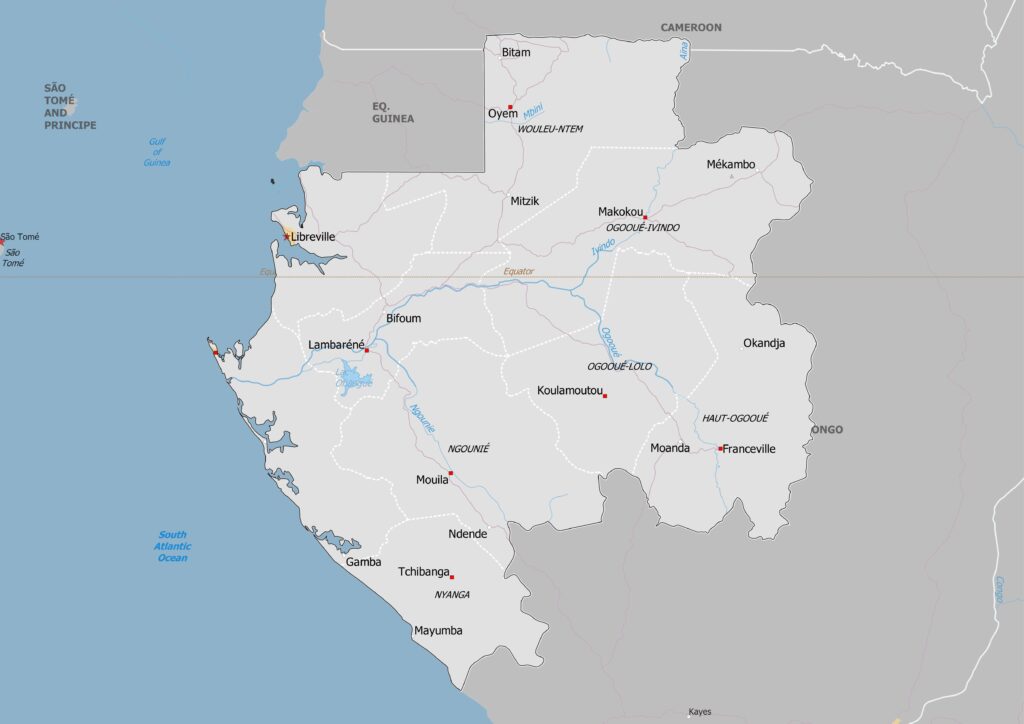
A German-French theologian, musician, and physician, established a hospital in Lambaréné, Gabon in 1913, where he devoted much of his life to medical care in Africa.
He provided treatment for malaria, leprosy, dysentery, and other widespread diseases, serving thousands of local people who otherwise lacked access to healthcare.
Schweitzer promoted his ethical philosophy of “Reverence for Life,” stressing compassion and respect for all living beings.
Despite limited resources, he expanded the hospital over decades, often funding it through his concerts and writings in Europe.
In recognition of his humanitarian work, he was awarded the 1952 Nobel Peace Prize, which he used to further medical and anti-nuclear efforts.