Reliable Treatment Systems for Wineries & Cellars
Whether you need IPW or DWS compliant discharge, reuse, or odour control, we provide winery wastewater treatment solutions that work in real-world environments.
Winery wastewater is highly variable, seasonal, and often difficult to treat. At HWT, we design and build practical, robust wastewater treatment systems that perform reliably — even during peak harvest conditions..
The Challenge with Winery Wastewater
Winery wastewater is not like typical domestic sewage.
It often includes:
- High COD and organic load during harvest
- Seasonal flow fluctuations
- Acidic streams (low pH)
- Sugars, alcohols, and cleaning chemicals
- Sudden shock loading
These conditions can easily overwhelm poorly designed systems.
👉 That’s why winery treatment requires specialised process design.

OUR APPROACH

We design systems that are:
- ✔ Stable under variable loads
- ✔ Energy efficient
- ✔ Low maintenance
- ✔ Simple to operate
- ✔ Built for South African conditions
Our treatment philosophy focuses on robust biological processes that adapt to changing winery conditions.
PROPER TREATMENT PROCESS
A typical HWT winery system includes:
Discharge or Reuse
Final effluent suitable for compliant discharge or irrigation (where applicable)
Balancing Tank
Equalises flow and load, protecting downstream processes
Biological Treatment (Aeration)
Breaks down organic waste using controlled biomass
Clarification
Separates treated water from solids

Understanding Winery Wastewater Treatment: Sources and Environmental Impact
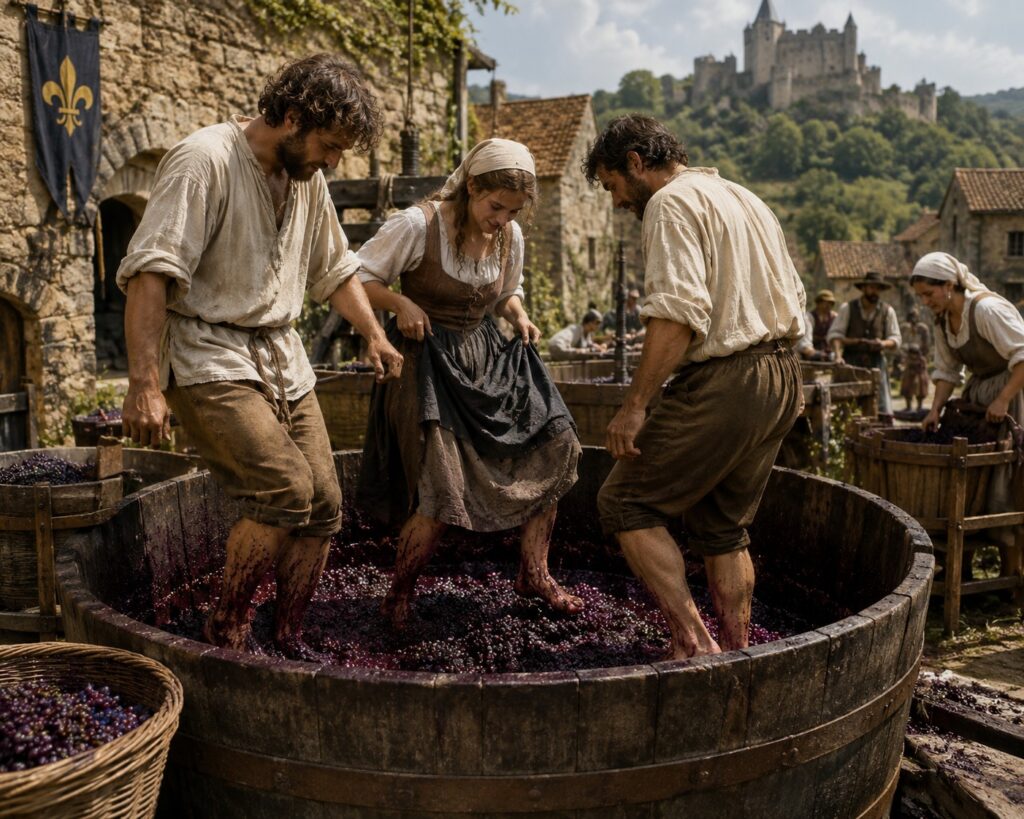
Originates from various sources within the winemaking process. During grape processing, water is used to clean the harvested grapes. The water picks up sugars, acids, and other substances from the grape skins, forming part of the effluent. The pressing and crushing of grapes also contribute to the effluent, as juice and solids mix with the process water. After fermentation, the wine undergoes clarification and filtration processes, producing solid waste materials and filter aids that end up in the effluent. Cleaning and sanitation activities in winery facilities generate effluent containing detergents and disinfectants. Additionally, rainwater runoff from vineyard areas may carry sediment and agrochemicals, adding to the overall effluent volume. All these sources converge to create winery effluent, which requires proper winery wastewater treatment to mitigate its environmental impact. Effective management of winery effluent is crucial to minimise pollution risks and protect water resources.
We understand the intricate nature of winery effluent and the importance of sustainable management practices. Our tailored solutions prioritise environmental responsibility, ensuring compliance with regulations and protecting water resources for future generations. Get in touch if you want to see how we can help you.