
Understanding the Langelier Saturation Index for Corrosion and Scaling Control
The Langelier Saturation Index (LSI) is one of the most widely used tools for predicting whether water is likely to cause corrosion or form scale within a water treatment system. By evaluating the relationship between water chemistry and calcium carbonate saturation, valuable information can be obtained regarding the stability of water before it enters a distribution network, industrial process, or treatment plant.
Although the index does not directly measure corrosion or scaling, an indication of the tendency of water to either dissolve calcium carbonate or deposit it onto surfaces can be provided. Consequently, the Langelier Saturation Index is frequently used by water treatment professionals, engineers, and plant operators to assess water quality and protect valuable infrastructure.
Why the Langelier Saturation Index Matters
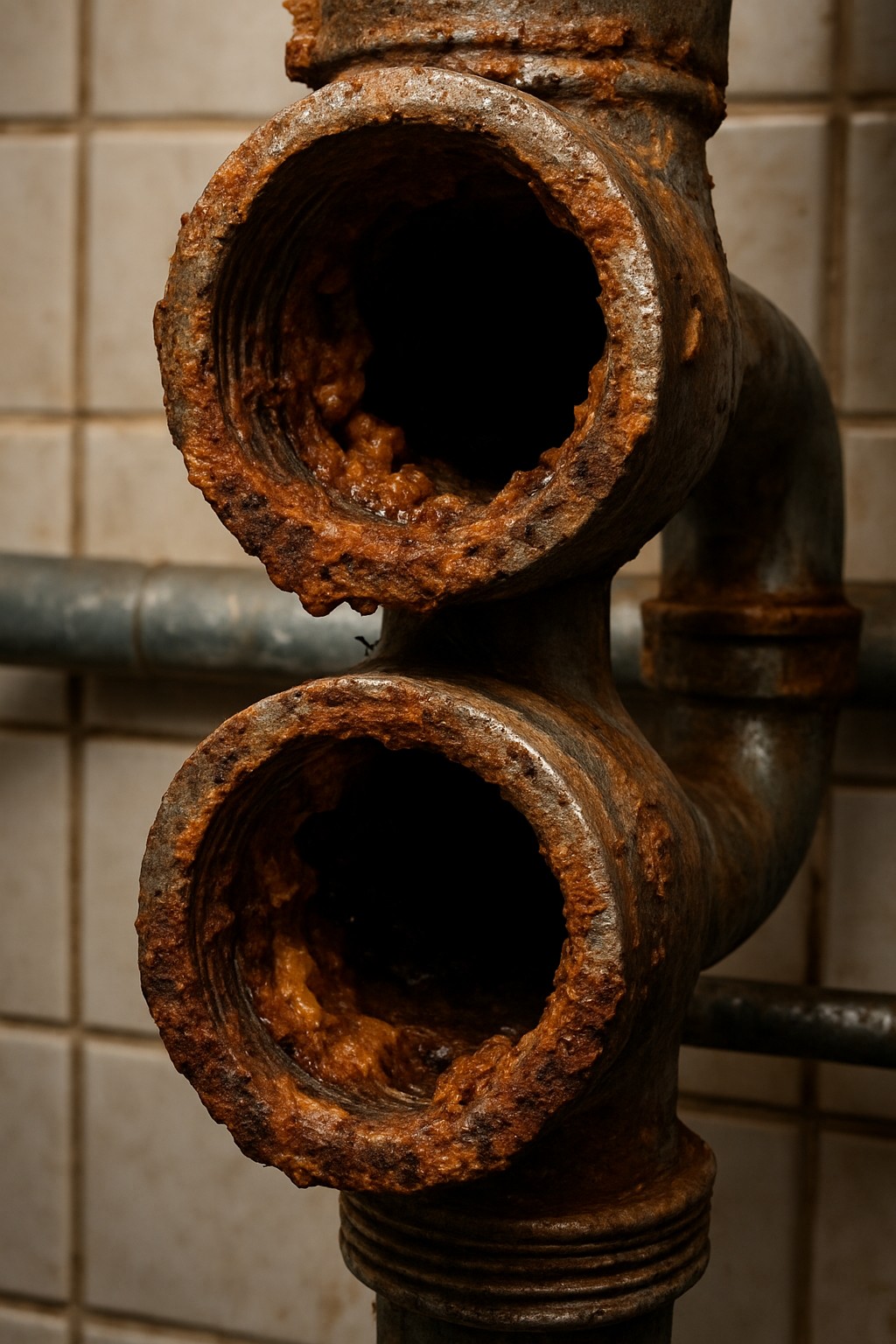
Water that is chemically unstable can cause significant operational problems. If water is undersaturated with calcium carbonate, corrosion may be encouraged within pipelines, pumps, valves, and storage tanks. On the other hand, if water is oversaturated, scale deposits may be formed on equipment surfaces.
As a result, energy efficiency may be reduced, maintenance requirements may be increased, and equipment lifespan may be shortened. Therefore, the water chemistry should be carefully evaluated before treatment processes are finalised.
How the Index Is Calculated
The Langelier Saturation Index is calculated by comparing the measured pH of the water with the theoretical pH at which calcium carbonate would be in equilibrium.
Several water quality parameters are taken into account, including:
- pH
- Temperature
- Total dissolved solids (TDS)
- Calcium hardness
- Alkalinity
These values are used to determine whether calcium carbonate will be dissolved or precipitated from the water.
Interpreting LSI Results
The results are generally interpreted as follows:
Negative LSI
When a negative value is obtained, the water is considered to be aggressive. Calcium carbonate may be dissolved from surfaces, and corrosion may be promoted.
Zero LSI
When the value is close to zero, the water is regarded as stable. Under these conditions, neither significant corrosion nor excessive scaling is expected.
Positive LSI
When a positive value is calculated, the water is considered scale-forming. Calcium carbonate deposits may be formed on pipe walls, membranes, heat exchangers, and other equipment.
Applications in Water Treatment
The Langelier Saturation Index is routinely applied in potable water treatment plants, reverse osmosis systems, cooling towers, boilers, and industrial water treatment facilities. Furthermore, it is often used during the design phase of a treatment plant to ensure that water stability targets can be achieved.
In many cases, water chemistry adjustments are made through the addition of lime, limestone contactors, soda ash, or carbon dioxide. By doing so, water stability can be improved and infrastructure can be protected from premature deterioration.
Maintaining Water Stability
The long-term performance of any water treatment system can be improved when water stability is properly managed. While corrosion can be minimised, excessive scale formation can also be prevented. Consequently, operating costs may be reduced and equipment life may be extended.
For this reason, the Langelier Saturation Index remains an essential tool in modern water treatment and water quality management programs.
He developed the Langelier Saturation Index (LSI) in 1936 as part of his pioneering research on water chemistry and corrosion control. His work helped engineers understand how pH, hardness, alkalinity, and temperature interact to influence whether water is scale-forming or corrosive. The index has since become a standard tool in water treatment, cooling tower management, and pipeline maintenance worldwide.
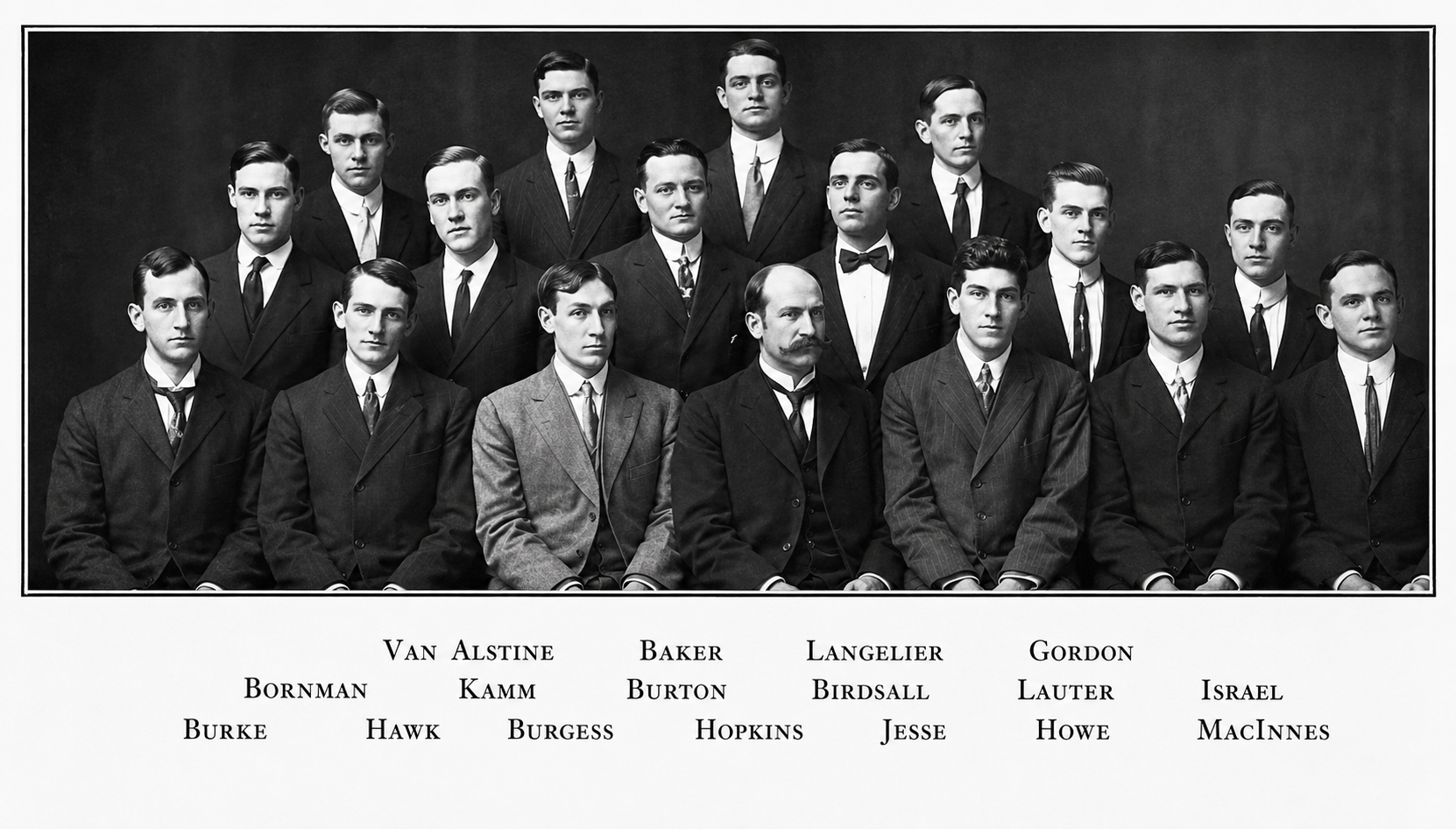
Langelier was born in Nashua, New Hampshire, USA, in 1886. He earned a chemistry degree from what is now the University of New Hampshire in 1909 and then worked for the Illinois State Water Survey while completing a master’s degree at the University of Illinois. His early work focused on water quality problems across Illinois