Before proper plumbing traps existed, houses were connected directly to sewers. Sewer gases—containing foul smells and sometimes harmful gases like methane and hydrogen sulphide—could travel straight back up through drains into homes.
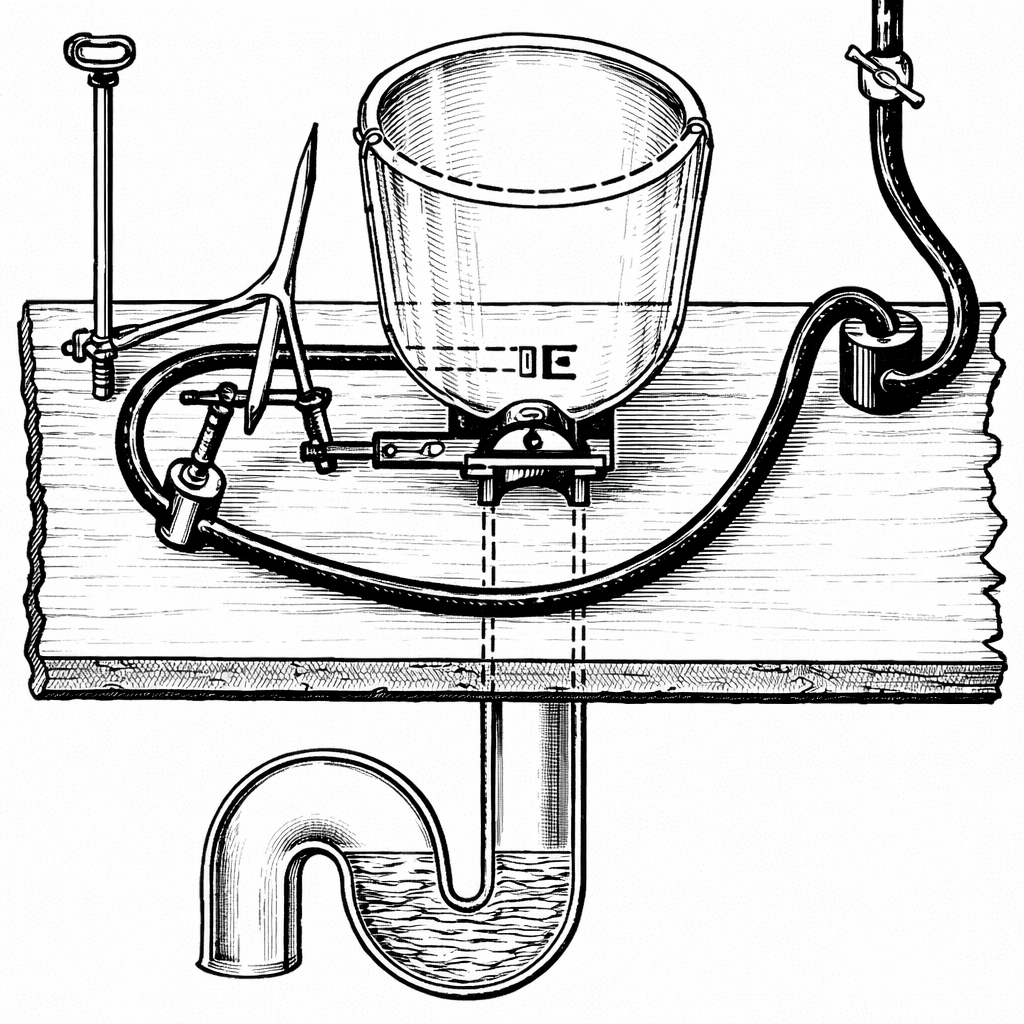
In the early 19th century, a Scottish engineer named Alexander Cumming patented the first practical water-seal trap in 1775. His idea was simple but brilliant: create a bend in the pipe that always holds water.
That small pool of water forms a seal, which:
- blocks sewer gases from entering the building
- allows wastewater to still flow out
- prevents foul smells and potentially dangerous gases indoors
This invention became extremely important during the era of the great sanitation reforms in cities like London, especially after events such as the Great Stink, when the smell from the Thames and sewers became unbearable and forced governments to modernize sewer systems.
Alexander Cumming
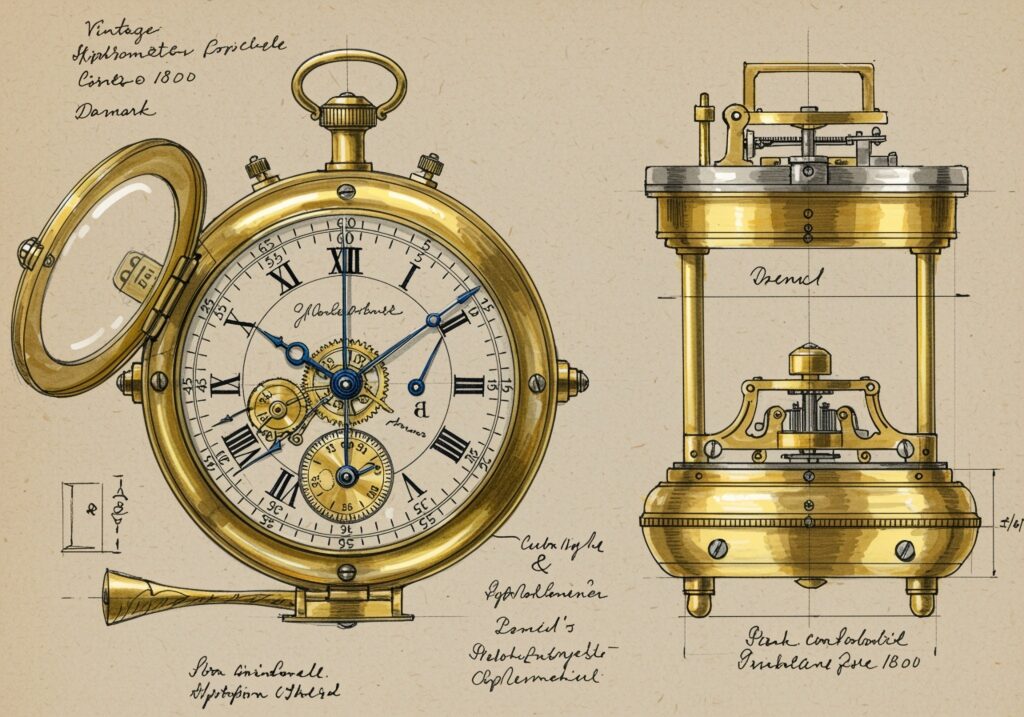
Alexander Cumming (1733–1814) was a Scottish watchmaker, mechanic, and inventor. He is best known for patenting the flush toilet’s S-trap mechanism in 1775, a design that remains the foundation of modern sanitation. Cumming was also an accomplished horologist and instrument maker whose technical skill advanced precision mechanics in the 18th century